It was just past 4 a.m. when our overnight train rolled into Aurangabad, the tourism capital of India’s state of Maharashtra. We grabbed an auto-rickshaw and soon found ourselves loitering in the lobby of the Green Olive Hotel. Unable to check in quite so early—or catch anything resembling a proper amount of sleep—we passed the time planning our day and dealing with a few lingering travel logistics.
Although the city is now officially known as Chhatrapati Sambhajinagar, I’ll refer to it as Aurangabad, if only because it’s easier to say and remember. Renaming cities in honor of rulers is nothing new, and Aurangabad itself gained its name in 1653 when the Mughal prince Aurangzeb established his military headquarters here. The recent name change, which honors a Maratha king, is broadly supported by the Hindu population but was contested by some Muslim groups all the way to the Indian Supreme Court. Given how recent the change is—and the fact that locals and media still widely use Aurangabad—I’ll stick with the older name and apologize in advance to anyone offended.
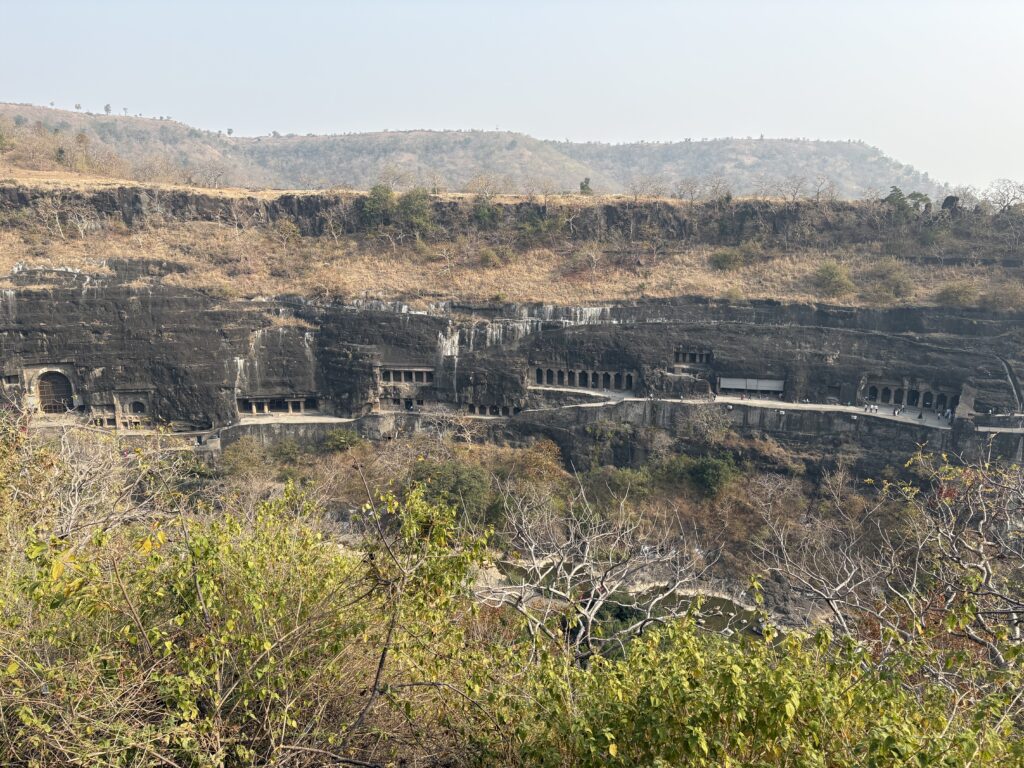
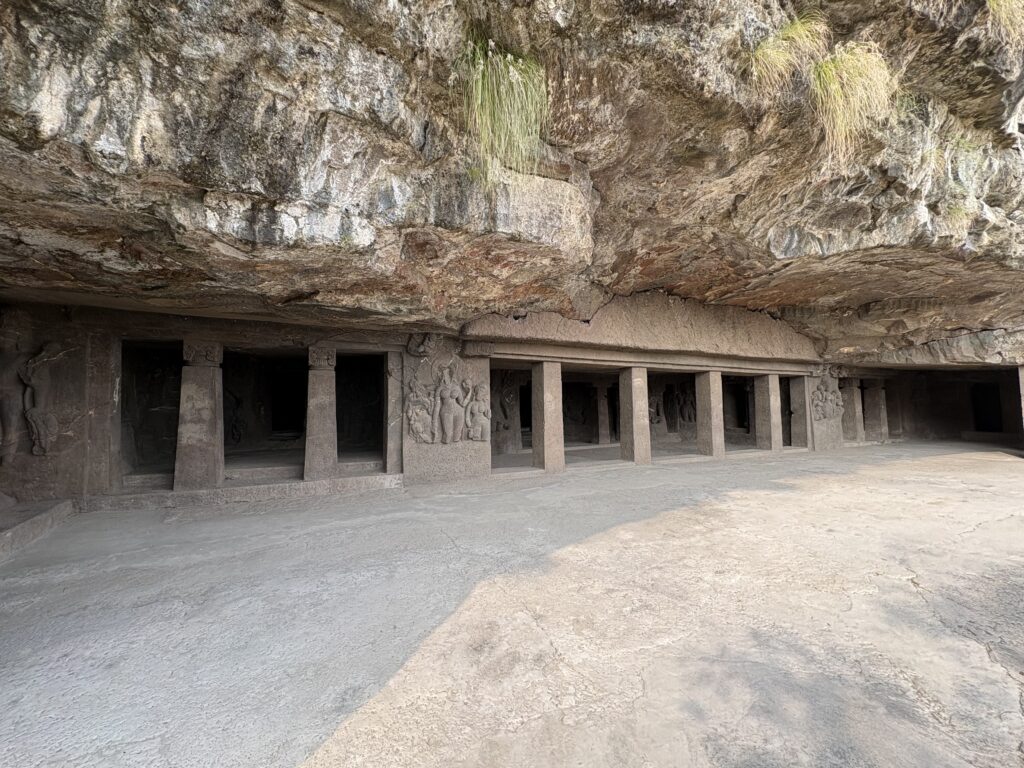
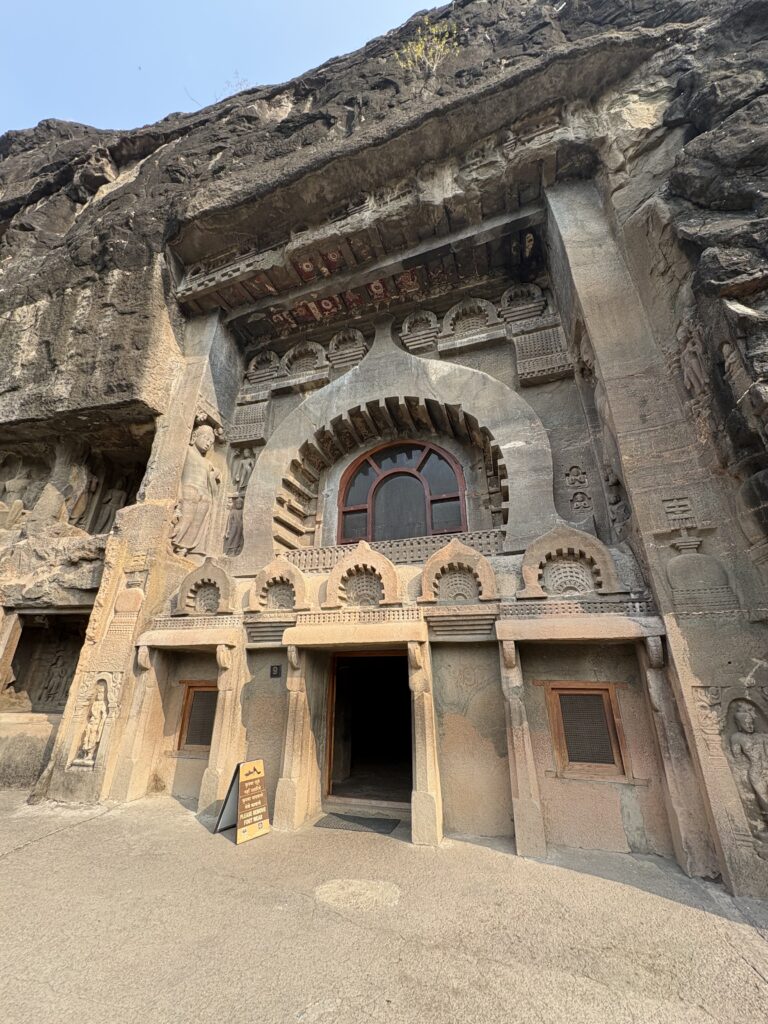
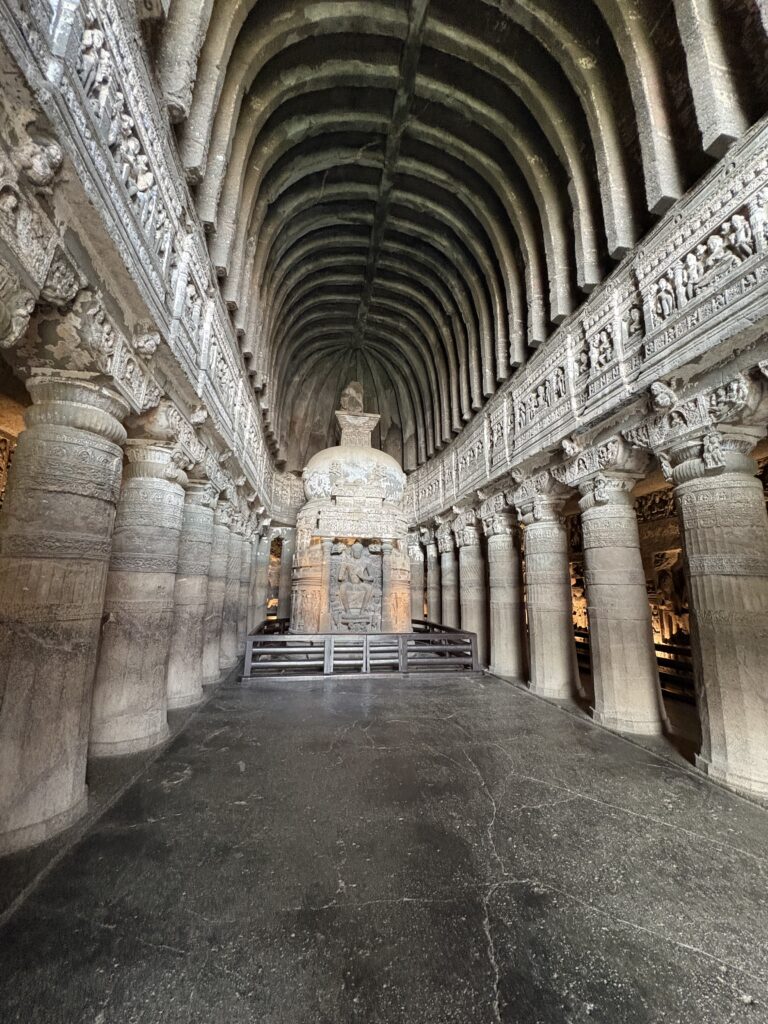
Our introduction came at the Aurangabad Caves, twelve rock-cut Buddhist shrines carved into a hillside on the city’s northern edge. Dating from the 6th to 8th centuries CE, the caves feature intricate Buddhist sculptures, along with the occasional Hindu deity such as Ganesha. Carved entirely from solid rock, they offered an impressive preview of the far more famous cave complexes still to come.
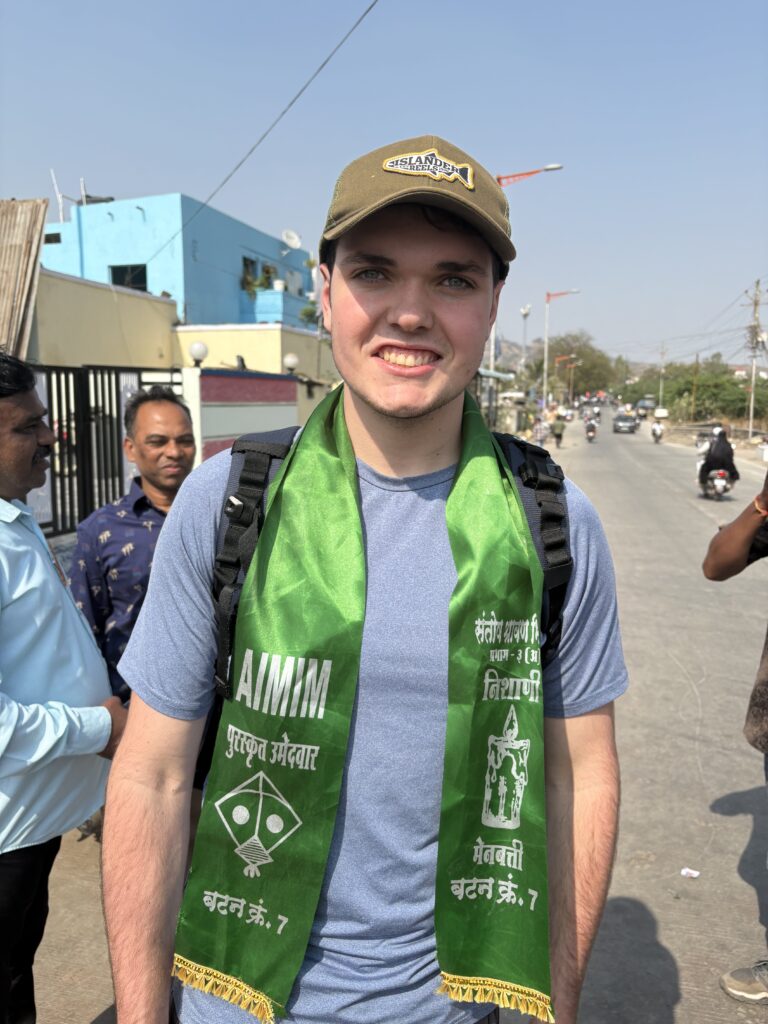
Getting there was its own adventure. With local elections approaching, the streets were filled with flag-waving political processions that repeatedly blocked our Uber. Spotting two foreigners in an auto-rickshaw, one supporter asked us to step out for a photo—standard practice in India. Hoping cooperation would speed our escape, we agreed, only to find ourselves draped in party colors and posing with a local political figure. We were just trying to disentangle ourselves when a rival group appeared and offered some lighthearted ribbing.
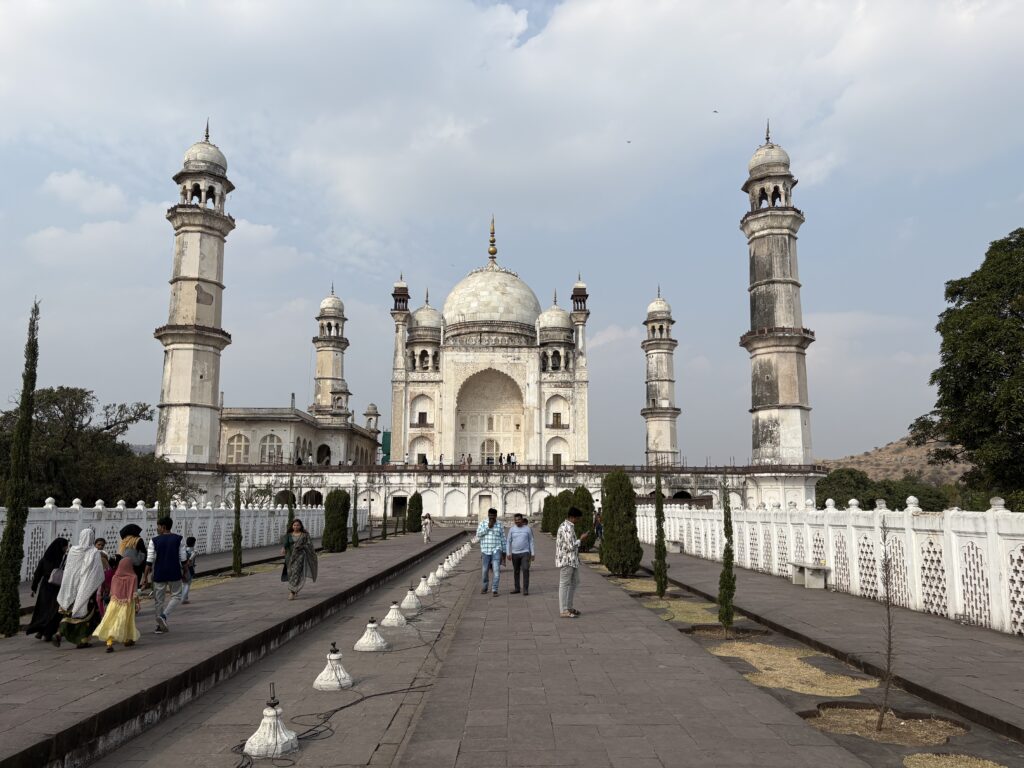
While an Uber happily dropped us at the caves, none would return to pick us up afterward. So we set off on foot, walking roughly four kilometers through the outskirts of town in thirty-plus-degree heat. Two foreigners trudging along earned plenty of curious looks and, perhaps, a bit of local respect. Hot and tired, we eventually reached Bibi Ka Maqbara, the so-called “Mini Taj Mahal” or “Taj of the Deccan.” Built in 1660 by Aurangzeb’s son in memory of his mother, it recalled my visit to the Taj Mahal in Agra in 2025—smaller and more weathered, but still graceful and clearly beloved by the crowds and school groups wandering the grounds.
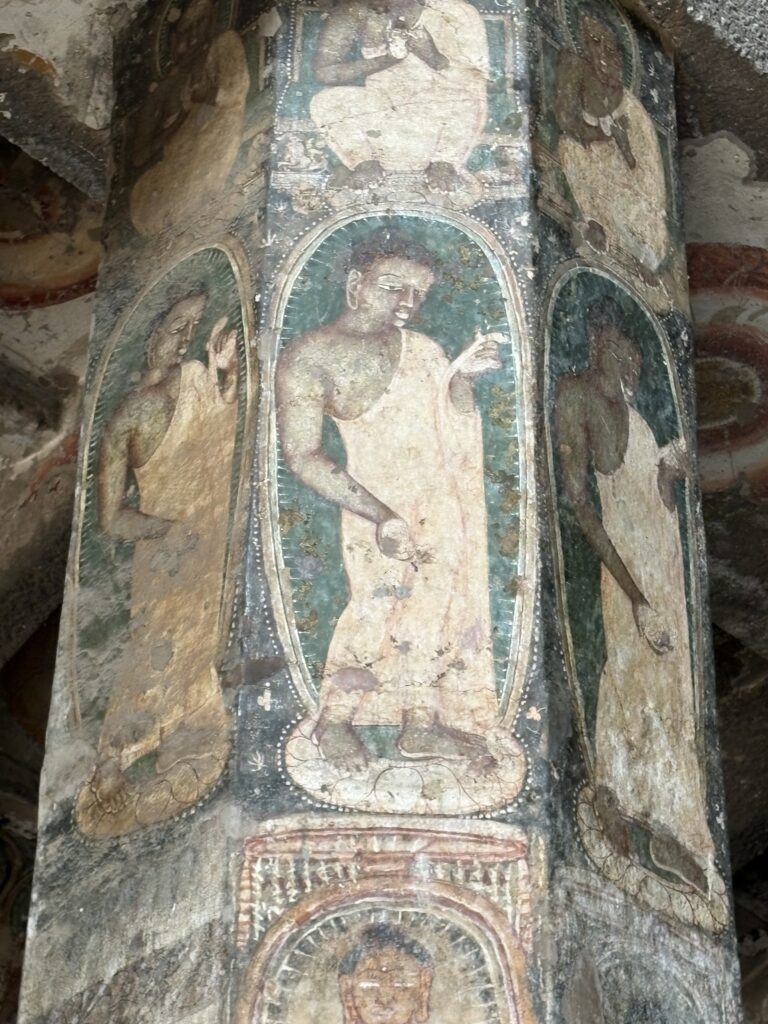
The next day brought a two- to three-hour drive to the Ajanta Caves, a complex of thirty rock-cut Buddhist monuments famed for their paintings and sculptures. Dating from the 2nd century BCE to about 480 CE, the caves line a horseshoe-shaped gorge above the Waghora River. Though time has worn away much of the artwork, the surviving murals—many illustrating scenes from the Jataka tales—remain astonishing in their detail and color, especially given their age and exposed setting.
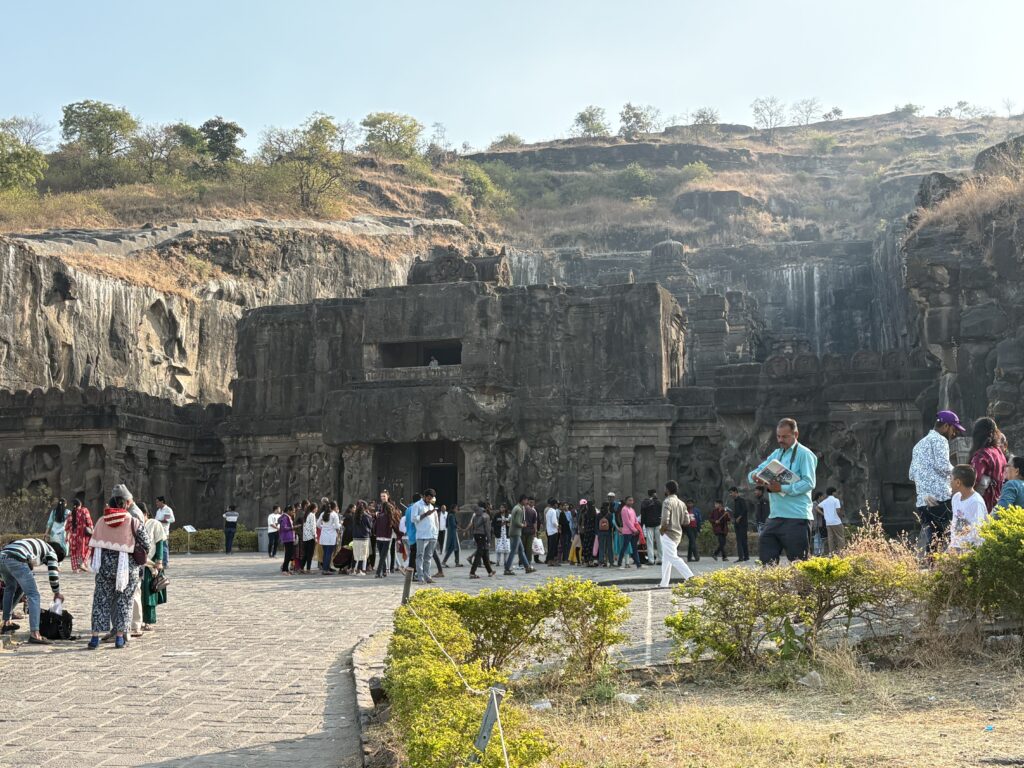
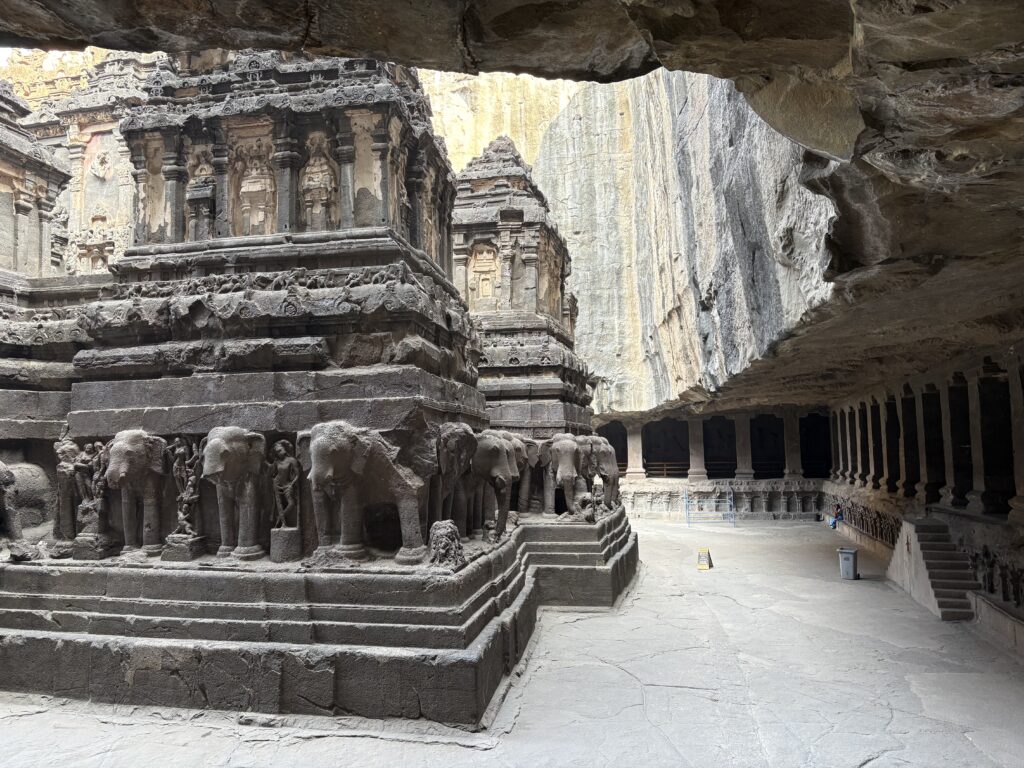
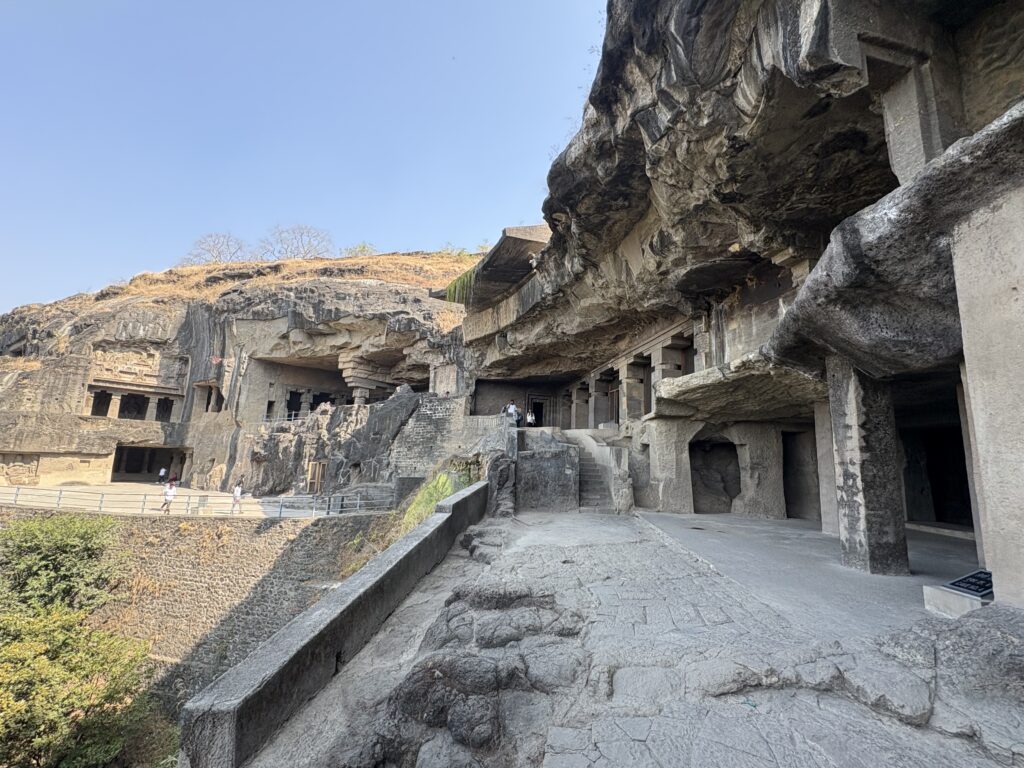
Our final full day was devoted to the heavy hitters: Ellora Caves and Daulatabad Fort, both within 35 kilometers of the city. Ellora’s thirty-four caves represent Buddhism, Hinduism, and Jainism, but the undeniable showstopper is the Kailasa Temple—the world’s largest single monolithic rock excavation. Carved entirely from one block of basalt and dedicated to Lord Shiva, its scale and precision are so extreme that some have jokingly credited ancient aliens with its construction.
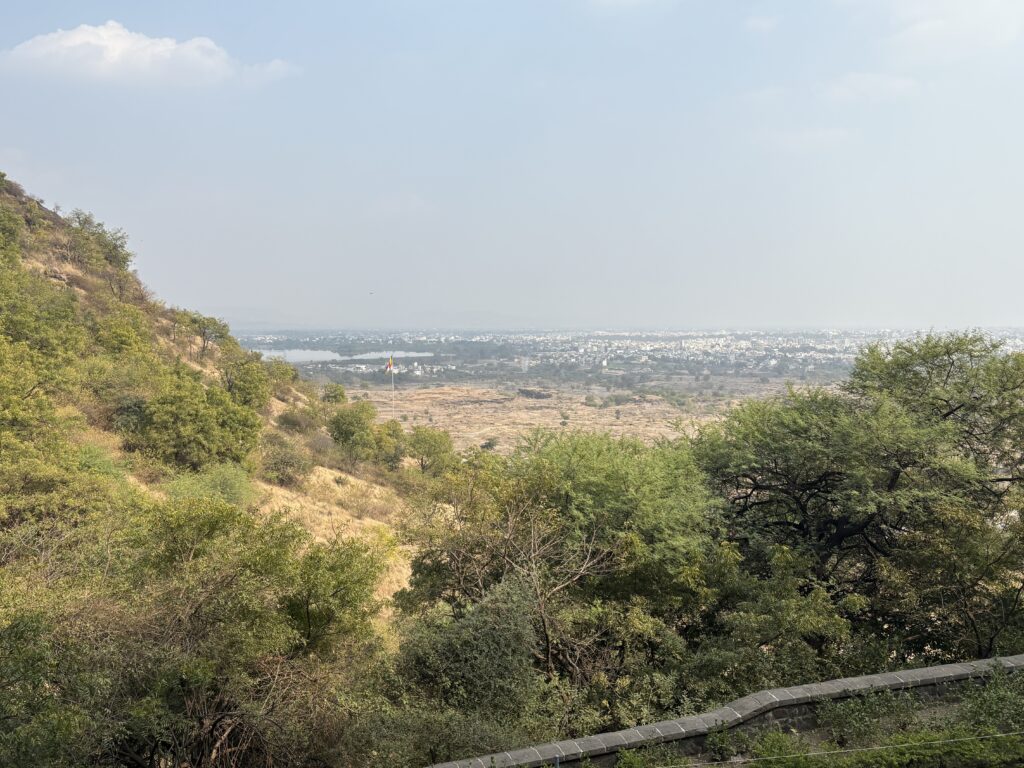
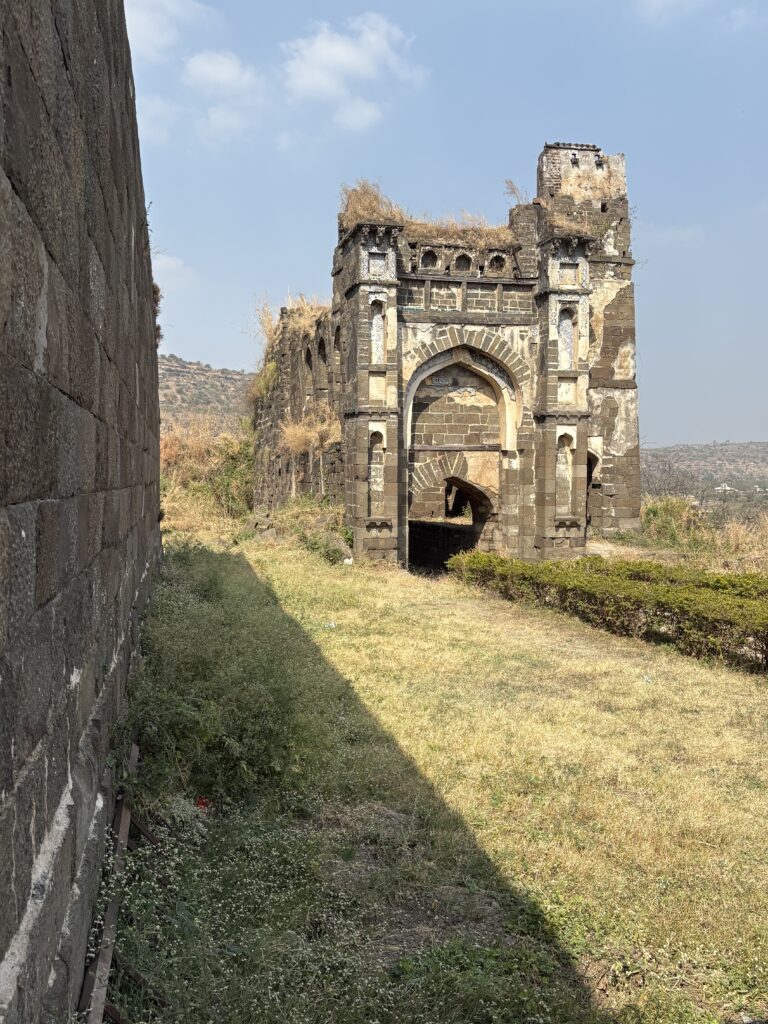
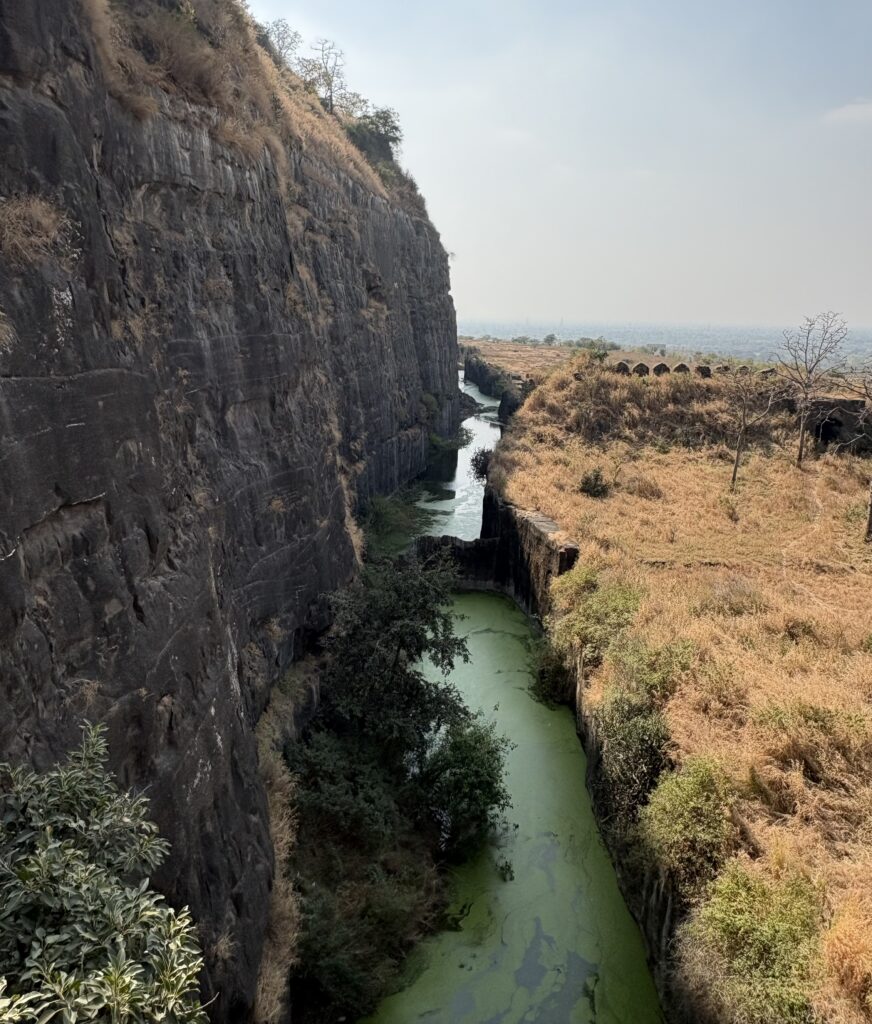
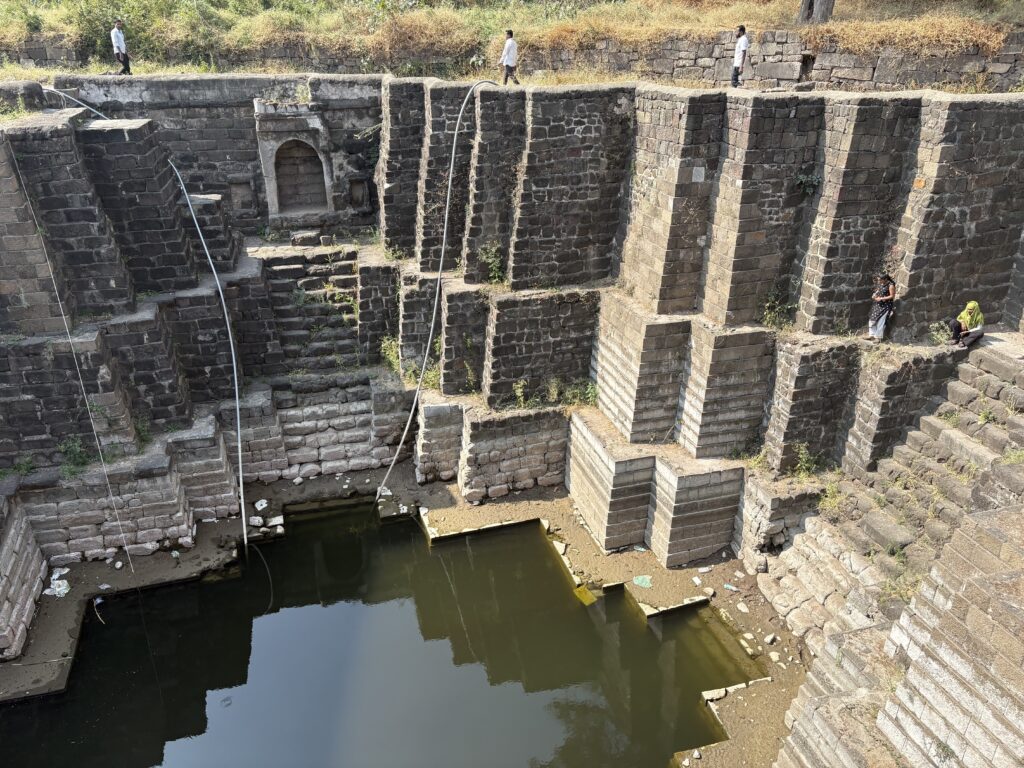
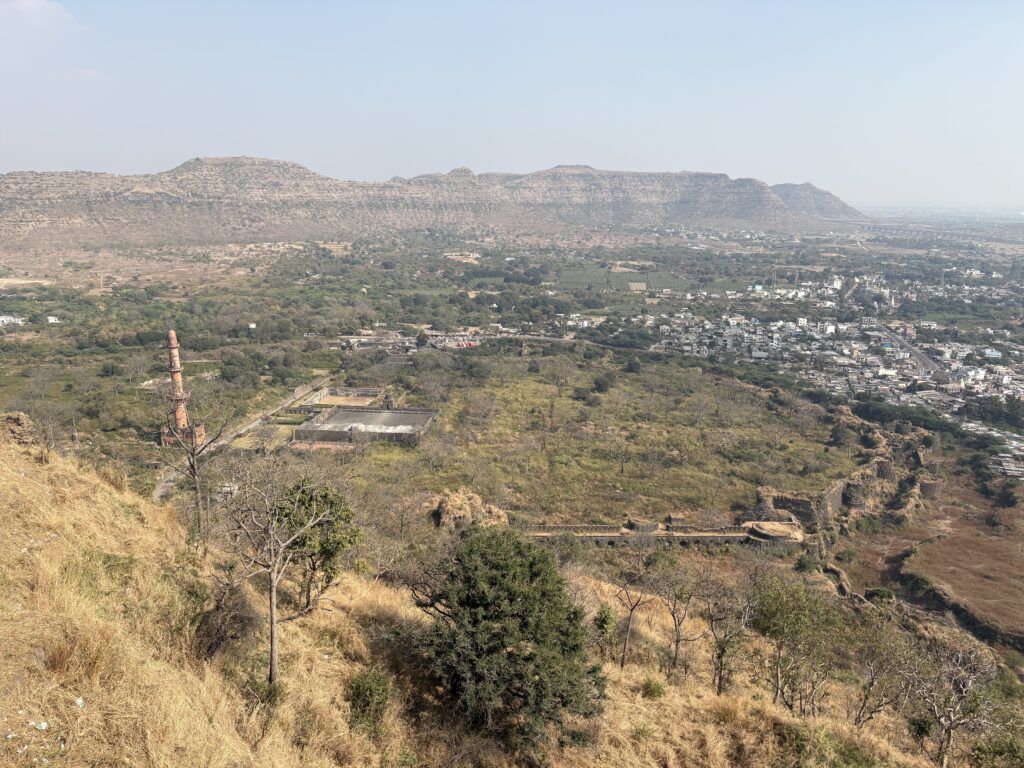
After five punishing hours of climbing in the heat, we refueled with bananas and copious amounts of water before tackling Daulatabad Fort. Built in the 12th century, the hill fort is a masterclass in medieval military engineering. The ascent led us across moats, past spiked elephant-proof gates, through dark, twisting passageways, and up 750 steps to the Baradari, an octagonal palace perched 200 meters above the plains. The reward was a sweeping 360-degree view, a welcome breeze, and the sight of the Chand Minar, a 30-meter Persian-style minaret glowing pink in the late-afternoon sun.
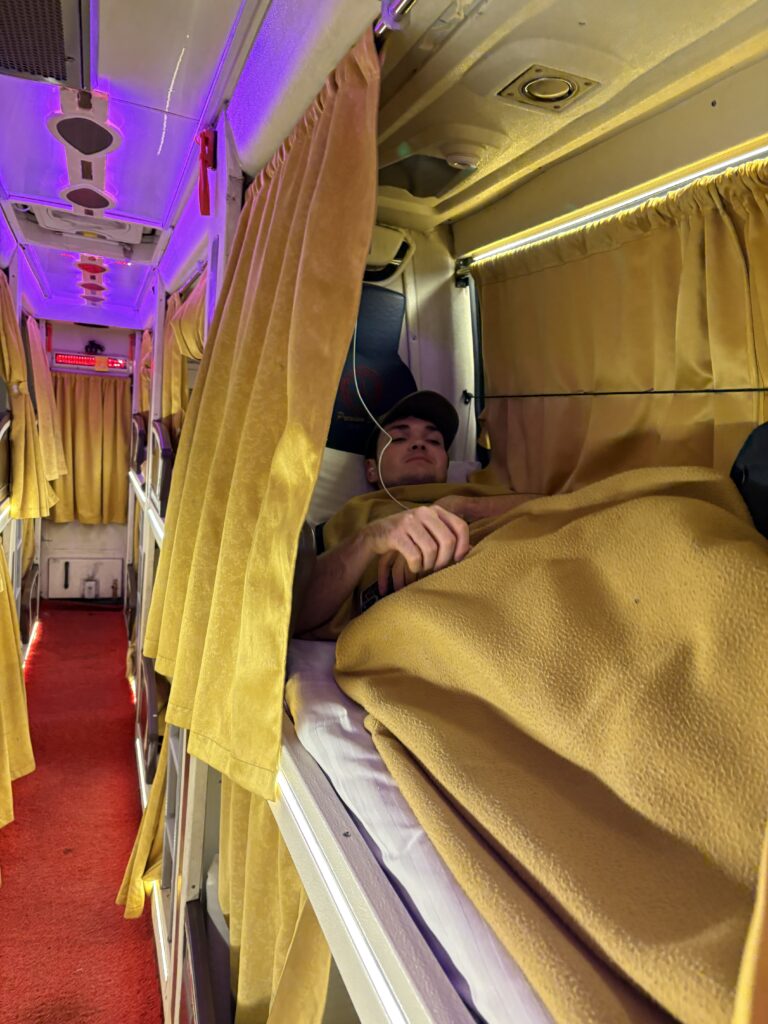
Exhausted but satisfied, we returned to the hotel, collected our packs, and grabbed a quick Indian-Chinese meal before heading to the bus station. Climbing into our narrow but cozy bunks for the night bus to Nagpur felt like a victory—slightly tempered by the knowledge that our arrival was scheduled for 4:15 a.m. once again.